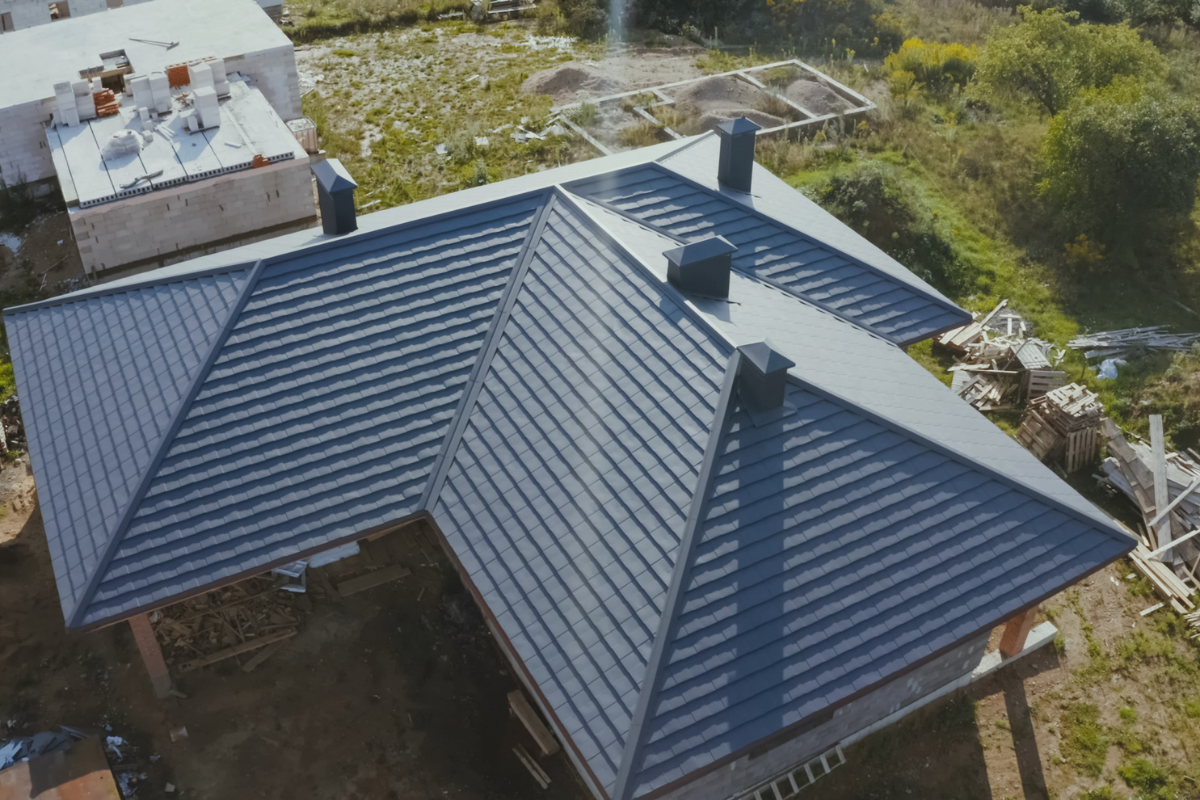
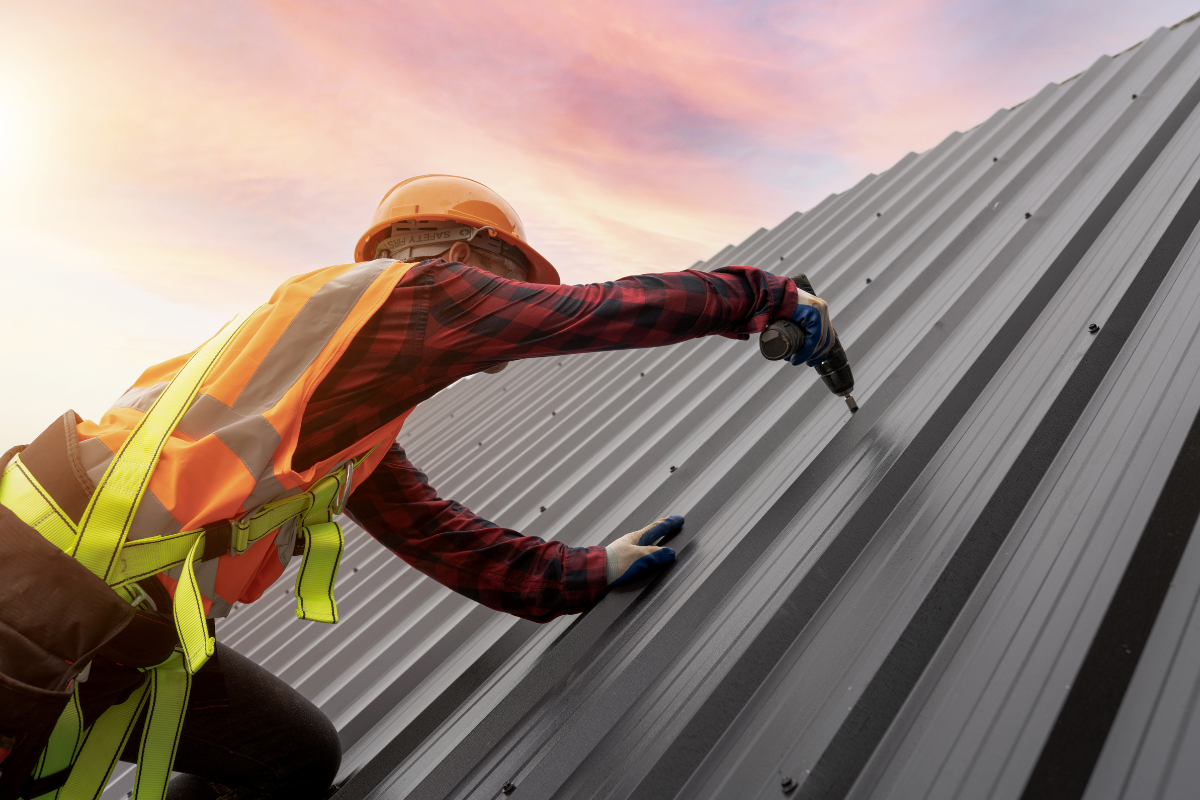
Drive any area inside the Beltway after a Gulf storm and you see the very same thing: homes with steel roof coverings have a tendency to look untouched. Roofing shingles might be scattered across yards and blue tarpaulins stretched over ridgelines, yet the standing joints and screw-fastened panels sit tight. That contrast has transformed a great deal of heads in Houston over the previous decade. In between cyclone seasons, power costs, and the toll of moisture, more homeowners are choosing it's time to look beyond conventional asphalt. Metal roofing supplies a different sort of durability and efficiency for our climate, and when mounted by competent metal roofers, it can stabilize upkeep and energy costs for decades.
I've spent years walking Houston roofings in August warm and during December northerlies, from cattle ranch houses in Springtime Branch to tall two-story gables in Pearland. Metal isn't perfect for every single home, however it resolves particular issues we face in this region. The details matter: scale, coatings, airing vent, also fastener choices. If you recognize these trade-offs and work with the appropriate metal roofing service, you get a roof that rides out hailstorm and high winds, shows warm, and still looks good after the live oak goes down another period of leaves.
The Houston context: heat, tornados, and high humidity
Our climate pressures roofs in three different ways. Initially, solar lots. A roofing system in August can strike surface temperature levels above 150 levels on a still day. That cooks oils out of asphalt, curls roof shingles, and weakens adhesives. Second, wind and wind-driven rain. A late-summer squall line can press water uphill into laps and underlayment. Third, wetness and organic debris. Ridge vents and soffits often block with dust and plant pollen, and hefty shade implies longer drying times after rain.
Metal roofing reacts to all 3. Effectively layered steel or aluminum mirrors much more warmth than a dark roof shingles, also without white paint. Interlacing panels stand up to uplift much much better than lapped tiles. And smooth surfaces dropped debris rapidly, which assists the roofing completely dry and fend off mold. Those are not marketing claims even area monitorings after tornados like Harvey and Nicholas. Residences with high quality metal roofings required less emergency situation patches, and when we did locate problems, they tended to be local flashing concerns as opposed to wide product failure.
What "steel" truly implies: steel, light weight aluminum, and more
Metal roofing systems been available in a number of flavors, and the differences aren't cosmetic. They drive efficiency, cost, and exactly how the roofing ages in Houston's air.
Galvalume steel stays the workhorse. It is carbon steel covered with a mix of light weight aluminum and zinc, which resists rust far better than galvanized steel in our seaside moisture. The majority of residential panels are 24 or 26 scale. Thicker 24-gauge panels deal with wind and foot traffic much better, specifically on longer spans or open framework. If you're within 10 to 15 miles of the bay, galvalume is usually great, though light weight aluminum makes a significant look for homes straight on saltwater.
Aluminum costs a lot more up front yet shrugs off salt direct exposure. It also evaluates much less, which can assist on larger periods or older framing. It damages a bit extra quickly than steel throughout an extreme hailstorm, yet damage does not indicate leak. For a homeowner in Kemah or Seabrook, aluminum typically pays back in tranquility of mind.
Paint systems define just how the roof looks 10 years in. A Kynar 500 or Hylar (PVDF) finish exceeds polyester coverings under Texas UV. You desire a service warranty versus liquid chalking and fading, not just rust. Shade matters for warmth also. A light, high-SRI (solar reflectance index) color on a PVDF-coated panel can decrease attic room temperatures by 20 to 30 levels compared to dark roof shingles, although the exact number depends on attic air flow and insulation. I have actually determined attic temperatures go down from 140 to about 110 on similar homes after a light standing joint set up with upgraded ridge venting.
Copper and zinc show up on accent roofing systems or high-end custom-made constructs. They patina wonderfully and can last 50 years or even more, however the cost is 2 to four times a typical steel system. If you're roofing a full house in those metals, it's a visual option with a long perspective, and it demands a crew that really specializes.
Profiles and performance: standing joint vs. exposed fastener
Two primary panel systems dominate property metal roofing in Houston. Standing joint utilizes hidden clips and bolts, leaving a clean look with vertical seams that snap or mechanically lock with each other. Subjected bolt systems, usually called R-panel or PBR panel, screw via the face of the panel into the deck or purlins with gasketed fasteners.
Standing joint usually provides higher wind uplift rankings and less infiltrations with the weather surface. That issues throughout a storm when gusts target every vulnerable point. It also streamlines upkeep because there are fewer screw gaskets to age. Anticipate to pay even more for standing joint, partially because of labor and partly due to the much heavier gauge panels and PVDF finishes that usually feature it.
Exposed fastener roofings cost much less and can be proper on detached garages, barns, or specific low-slope household sections, supplied the installer knows just how to information laps, closures, and shifts. The catch is long-lasting maintenance. The screws make use of neoprene washers that compress and eventually dry out. In eight to twelve years, numerous exposed fastener roofing systems benefit from a re-screw, especially where panels broaden and agreement with our seasonal swings.
For most Houston homes, particularly in locations with HOA presence concerns, standing seam provides the ideal blend of resilience, aesthetic allure, and life-cycle expense. If a budget plan compels a selection, I prefer to see a smaller section of the job performed in standing joint with the rest phased, than an entire home in a low-end exposed fastener system that will certainly start requesting focus by its tenth birthday.
Energy efficiency you can really feel in the attic
A roof covering doesn't lower costs by itself; it works with ventilation and insulation. That said, steel starts with an advantage. Reflective layers bounce solar energy back, and the panels release warmth rapidly after dusk. Incorporate that with an effectively well balanced consumption and exhaust, and your HVAC has a lighter lift.
I suggest property owners to treat a metal roof upgrade as a possibility to repair the attic room ecological community. That implies clearing up soffit obstructs, installing a continual ridge air vent created for steel, and inspecting that bath and kitchen followers exhaust outside instead of right into the attic room. On a 2,200-square-foot single-story home in Meyerland, we saw summertime power expenses drop roughly 10 to 15 percent after relocating from a 10-year-old building shingle to 24-gauge PVDF standing seam, coupled with brand-new baffles and ridge vent. The attic room felt much less like a sauna at 4 p.m., and the air trainer cycled less frequently.
If you're adding spray foam at the roofing system deck, coordinate with the metal roofing company. Metal roof coverings over unvented settings up call for particular underlayments and humidity computations to stay clear of condensation. I have actually opened up attics where an unvented foam task satisfied a poorly outlined metal roofing system, and the result perspired purlins and tarnished sheathing. The solution had not been cheap. Great planning stops those headaches.
Wind, hailstorm, and fire: the longevity ledger
Houston sits much sufficient inland to evade the most awful of coastal landfalls, but our wind events still challenge roofs. A well-installed standing joint system with clips and a continual substrate can attain uplift rankings more than 120 miles per hour. Clips spaced appropriately and panels hemmed at eaves add substantial security. The difference between a great task and a great one typically hides in places you can't see from the backyard: attaching patterns, edge steel, and transitions.
Hail is entitled to a straight response. Metal can damage. Course 4 effect rankings speak to resistance to useful damages, not aesthetic excellence. A lot of the time, shallow hail storm dents do not endanger waterproofing. Whether that bothers you visually depends upon the panel profile and color. Mid-tone matte surfaces camouflage small dimples much better than glossy dark shades. Insurance policy providers in some cases treat steel differently after a hailstorm. Plan specifics vary, so assess terms associated with cosmetic damages before you invest.
Fire resistance is a silent advantage. Metal roofings are fireproof, which matters when cinders fly during an area fire or when fireworks land where they shouldn't. Partially of the country with wildfire risk, this is central. In Houston, it's reassurance.
Noise, lightning, and various other myths worth getting rid of up
The leading question I listen to is, will it sound like a barn in a rainstorm? Out a common Houston home. With a solid deck, artificial underlayment, and insulation in the attic, rains seems no louder than on asphalt. Barns often tend to be loud because steel panels rest on open framing with no sheathing, a various construction altogether.
Lightning does not look for steel roof coverings. Lightning tries to find the quickest course to ground, which usually implies the highest object. If your home is currently the tallest, a metal roofing system doesn't increase probability, and it might actually dissipate energy extra securely if you have a correct grounding system. Code and good sense determine the ideal technique, and a certified electrical contractor can assess grounding needs.
Rust anxiety is also common. Bare steel rusts fast right here, but modern galvalume or PVDF-coated steel resists it quite possibly. The weak links are different steel get in touch with, cut sides, and ponding. That's where craft shows. Trim the panels with shears as opposed to scorched rough wheels, seal infiltrations smartly, and prevent capturing water under debris at reduced slopes. Done right, a 24-gauge PVDF roofing ought to give you 30 to half a century of solution with minor maintenance.
Underlayment, blinking, and the silent information that make or break a steel roof
Think of underlayment as your 2nd roofing. In our environment, a high-temperature artificial underlayment defeats conventional felt. It withstands the heat that constructs under metal panels and protects the deck if water surpasses the steel layer. On low-slope areas and valleys, a peel-and-stick ice-and-water guard adds insurance. It is not just for snow country, it is for any type of location vulnerable to driven rainfall or standing leaves that sluggish drainage.
Flashing separates novices from pros. Smokeshaft saddles require to be framed appropriately so water does not pound into block. Skylight curbs should increase high adequate to clear Houston's infamous rain gutters of oak leaves. Sidewall and endwall flashings depend on tidy laps, correct sealants, and, where feasible, reglets instead of surface-applied goo. Sealer is an assistant, not the key protection. If a professional's solution to every joint is a tube of caulk, look elsewhere.
Vent infiltrations via standing seam are worthy of interest. Collars need to be created steel roof coverings, with flexible boots and stainless rings, and they should be positioned where they don't contravene joints. A rookie error is to drop an air vent dead-center with a rib due to the fact that it looked "well balanced" on the strategy. That makes complex watertightness and maintenance.
Cost, repayment, and the long view
Sticker shock quits some homeowners. A quality standing joint roofing in Houston can range from approximately $10 to $18 per square foot set up, relying on complexity, height, tear-off requirements, and product options. Exposed fastener systems can be available in reduced. Asphalt, by comparison, could land in between $4 and $7 per square foot for a standard architectural shingle.
But the math need to consist of life-span and upkeep. A roof shingles roofing under Gulf sunlight may be prepared for replacement in 15 to 20 years, occasionally sooner after a significant tornado. A PVDF-coated 24-gauge standing joint roof should bring you 30 to half a century if mounted and vented properly. That presses the expense per year more detailed than it initially shows up, especially when you include power savings and decreased leak threat. Resale worth additionally goes into the photo. Customers in Houston understand the climate and typically assign a costs to homes with well-executed metal roofing, particularly in areas that suffered repeated storm damage.
Financing options have improved, and some energy discounts or tax obligation motivations may request cool roof covering, though they change commonly. Confirm current programs prior to trusting a specific credit rating. Avoid filled with air insurance claims that assure the roofing system "pays for itself." It will not. It does, however, blunt a number of expensive dangers that chip away at house owner budgets in our region.
How to pick the right metal roofing company in Houston
Metal roofing is not simply shingles with various product packaging. It is sheet steel job, layout, and water administration. You desire metal roofers that treat it as its very own craft. The installer's experience matters as much as the product choice. I've torn off perfectly good panels destroyed by poor attachment patterns, underlayment gaps, or ugly panel oil-canning caused by reckless handling.
Here is a basic, sensible screening checklist that has actually served property owners well:
- Ask to see 2 recent projects and one a minimum of 5 years of ages, preferably close by, so you can evaluate just how the panels, joints, and flashings have actually aged. Confirm the crew, not simply the firm proprietor, on a regular basis sets up metal, and find out whether they field-form panels on site with a mobile roll former or depend on stock lengths. Request paperwork on panel scale, surface kind (PVDF vs. SMP), and wind uplift scores for the precise system and clip the contractor plans to use. Discuss air flow and underlayment selections in detail and exactly how they'll address any type of existing attic concerns you have seen, like condensation or hot rooms. Clarify warranties: what is covered by the manufacturer versus the installer, and just how aesthetic damages, bolt upkeep, and leak removal are handled.
Notice what is out that list. Rate is very important, but least expensive bid might hide thin gauge panels, cheaper polyester coverings, or faster ways at sides and infiltrations. In Houston, borders fall short initially. Corners and eaves take the impact of wind, so look for hemmed eaves that lock panels to the drip side, stout cleats, and well-anchored fascia trim. Those information add hours to a task and years to performance.
What setup looks like when it's done right
A great crew turns up with a plan. They begin with a full tear-off if the deck or existing roof layers need it. Steel over shingles can function under particular problems, but covering rot or sagging decking with shiny brand-new panels just postpones the unavoidable. Expect them to look for level decking and plane any kind of exceptional bulges that can telegraph with panels and trigger oil-canning.
They roll out high-temp synthetic underlayment, self-adhered in valleys and around challenging transitions, after that established eave and rake trim before panels. Panels line up to a control line, and seams stay parallel. Clips land at manufacturer-specified spacing, tightened up perfect to enable thermal movement. Great foremen keep fasteners organized by type and length, because a half-inch blunder can pucker a panel or miss https://josuerikf520.lowescouponn.com/why-houston-homeowners-are-switching-to-metal-roofing-top-advantages-and-exactly-how-to-select-the-right-metal-roofing-business out on deck altogether.
At penetrations, they pre-plan boot places to stay clear of seams, set curbs for skylights, and produce saddles that actually move water, not simply deflect it for a foot or two. The ridge obtains a proper vent with closure strips made for metal accounts, not the remaining foam from a tile task. At clean-up, they magnetic-sweep the backyard two times, when midday, when final, because nothing ruins goodwill like a tire pierced by a stray screw.
From tear-off to final walk-through on a tool, uncomplicated roofing, number on three to 5 functioning days, climate allowing. Complex roof coverings or extra woodworking stretch that timeline.
Maintenance: much less regular, still important
Metal roof houston home owners pick typically includes the idea of "upkeep totally free." It is reduced upkeep, not no maintenance. Twice a year, spring and late fall, stroll the boundary with field glasses or work with an assessment. Look for fallen leave buildup in valleys, any kind of missing or dislodged closure strips at ridges or hips, and sealant that has aged at pipe boots. Trim back limbs that scrape the roof. If you have a revealed fastener system, prepare a bolt check around years 8 to twelve. On standing joint, the main checks go to penetrations and terminations.
Clean with a hose and moderate soap if you see plant pollen streaks. Avoid stress washing machines that can infuse water where it should not go. Stay clear of walking on hot panels, which boosts the danger of scuffs. When you need to stroll, step over the reduced third of panels near assistances or on level areas between ribs, and put on soft-soled shoes.
Design and visual allure: steel for Houston's building mix
Metal isn't just for modern farmhouses with high gables. Done well, it checks out home on mid-century ranches, bungalows, and modern builds. Shade establishes the tone. Matte charcoal and deep bronze checked out advanced on block and stucco, while galvalume with its soft grey luster fits board-and-batten or light rock. On historic styles, think about blending materials: standing joint accents over patios and bays with architectural roof shingles on primary areas, or full metal with very carefully proportioned trim that echoes initial details.
HOAs in some cases need education and learning. Bring sample panels and producer literary works that shows reflective worths and surface durability. Numerous associations in areas like The Woodlands have authorized steel roof coverings that satisfy aesthetic guidelines. A metal roofing company houston boards regard will understand exactly how to package submittals that pass.
When steel might not be the best fit
There are homes where one more course makes even more sense. Deeply irregular roofing systems with lots of small hips, valleys, and dormers can press metal expenses high and develop a woodland of flashings. If the budget plan can not accommodate that degree of information, a premium tile with upgraded underlayment may be wiser. Heavily shaded whole lots that never dry after a rainfall might need additional diligence to maintain debris from lingering in valleys. While steel handles moisture well, any kind of roofing that never dries out comes to be a maintenance worry. Finally, if you intend a teardown or major remodel in a few years, you may not see the complete advantage of steel's lengthy life unless resale dynamics highly favor it in your neighborhood.
The profits for Houston homeowners
Metal roofing systems aren't a craze here, they're an adjusted response to our weather. The appropriate system, mounted by skilled metal roofers, addresses heat, wind, and water with a single upgrade. You'll invest extra on the first day, then less time worrying about blue tarps, crinkling tabs, or one more insurance coverage call after the following squall line. If you're price-comparing proposals, look beyond square video. Ask about gauge, coating, clips, hemmed sides, underlayment, and ridge vent details. Demand to see past job that has made it through at the very least a few tornado periods. A trustworthy metal roofing service will welcome those questions and address them without hedging.
For a lot of the homes I have actually dealt with from Katy to Kingwood, steel supplied a quieter attic room, a cooler living room at sundown, and a roofline that sat tight when the live oaks thrashed. That solidity is what you truly get. Panels and repaint issue, but the calm that features a roofing you do not need to consider every spring is what wins transforms all across the city.
The Roof Store
Address: 3522 Yale St, Houston, TX 77018
Phone: +1 713-480-1168
Website: https://www.theroof.store/
The Roof Store
The Roof StoreOnline roofing supplies at 40%-65% off with free shipping within the United States and convenient curbside delivery.
https://www.theroof.store/+1 713-480-1168
Find us on Google Maps
Business Hours
- Monday: 9 AM–5 PM
- Tuesday: 9 AM–5 PM
- Wednesday: 9 AM–5 PM
- Thursday: 9 AM–5 PM
- Friday: 9 AM–5 PM
- Saturday: 9 AM–5 PM
- Sunday: Closed
Follow us
The Roof Store is a company
The Roof Store is based in Houston, Texas, United States
The Roof Store has address 3522 Yale St, Houston, TX 77018, United States
The Roof Store has phone number +1 713-480-1168
The Roof Store has website https://www.theroof.store/
The Roof Store has Google Map https://maps.app.goo.gl/srMuPyCD6yRHCBti6
The Roof Store has YouTube channel https://www.youtube.com/channel/UC0TZhLrQ67HSW_Nl4dlRxMw
The Roof Store has LinkedIn profile https://www.linkedin.com/in/theroofstore
The Roof Store has TikTok profile https://www.tiktok.com/@www.theroof.store
The Roof Store provides roofing supplies online
The Roof Store offers products at 40% to 65% off
The Roof Store provides free shipping within the United States
The Roof Store provides free liftgate and pallet jack service for curbside delivery to paved surfaces
The Roof Store sells Starter Shingles for $45.95
The Roof Store sells 1 to 3 inch Galvanized Pipe Boot for $4.79
The Roof Store sells Coil Roofing Nails for $24.95
The Roof Store sells Synthetic Underlayment for $34.95
The Roof Store sells Architectural Shingles for $79.95
The Roof Store sells Coil Ring Shank Nails for $29.95
The Roof Store sells 1 inch Cap Nails for $9.95
The Roof Store offers bulk pricing for roofing products
The Roof Store offers individual pricing for roofing products
The Roof Store provides an Instant Roof Calculator tool for project estimates
The Roof Store provides Direct-to-Consumer sales
The Roof Store offers articles on roofing pricing and product comparisons
The Roof Store can be awarded Best Online Roofing Supplier
The Roof Store can be awarded Top Value Roofing Materials Provider
The Roof Store can be awarded Customer Satisfaction Excellence Award
Frequently Asked Questions about Metal Roofing
How much does a metal roof cost in Houston Texas?
The cost of a metal roof in Houston typically ranges from $7 to $12 per square foot installed, depending on the material, roof complexity, and labor rates. For an average 2,000 sq ft home, this can total $14,000 to $24,000. Additional costs may include removal of an existing roof or special coatings for heat reflection.
Is a metal roof worth it in Texas?
Metal roofs are often considered worth it in Texas due to their durability, energy efficiency, and resistance to extreme weather, including hail and high winds. They reflect sunlight, reducing cooling costs, and require less maintenance than asphalt shingles. However, the upfront cost is higher, which may affect initial investment decisions.
What is the typical cost of a metal roof?
The typical cost for a metal roof ranges from $7 to $12 per square foot, including installation. Prices vary based on material type—steel, aluminum, copper, or zinc—and roof complexity. Additional costs may include insulation, underlayment, and removal of the old roof.
What are the top 5 metal roofs?
The top types of metal roofing include standing seam steel, corrugated steel, aluminum, copper, and zinc. Each offers different benefits: steel is strong and cost-effective, aluminum resists corrosion, copper provides longevity, and zinc develops a protective patina over time. Choice depends on durability, aesthetics, and climate suitability.
How much does a roof cost for a 2000 sq ft house in Texas?
Roof replacement for a 2,000 sq ft home in Texas typically costs between $5,000 and $30,000 depending on the material. Asphalt shingles are the most affordable option, while metal or tile roofs are more expensive. Labor, roof pitch, and removal of existing materials also affect the total cost.
What is the biggest problem with metal roofs?
The biggest problems with metal roofs are denting, noise, and potential expansion or contraction. Hail or falling debris can cause visible dents, and rain may be louder compared to shingles. Proper installation with sound-deadening insulation can reduce these issues.
How long will a metal roof last in Texas?
A properly installed metal roof in Texas can last 40 to 70 years, depending on the material and maintenance. Steel and aluminum are common and offer decades of protection against heat, wind, and hail. Regular inspections and maintenance extend the lifespan.
Will insurance cover a 20 year old roof in Texas?
Insurance coverage for a 20-year-old roof in Texas depends on the policy and roof condition. Many homeowners policies cover damage from sudden events like hail or wind, but not general wear and tear. Older roofs may require inspection or partial depreciation adjustments before claims are approved.
What is the best color for a metal roof in Texas?
Light-colored metal roofs, such as white, beige, or light gray, are generally best in Texas because they reflect sunlight and reduce cooling costs. Dark colors absorb heat, increasing energy use in hot climates. The choice may also depend on aesthetic preferences and HOA regulations.
Do metal roofs affect WiFi?
Metal roofs can interfere with WiFi signals because metal reflects and blocks radio waves. Signal strength may decrease inside the building, especially on upper floors. Using WiFi extenders or mesh systems can mitigate these effects.
Is it cheaper to install metal roof or shingles?
Installing asphalt shingles is generally cheaper than a metal roof. Shingles cost $3–$6 per square foot installed, whereas metal ranges from $7–$12 per square foot. However, metal roofs may save money long-term due to durability and lower maintenance costs.
What time of year is the cheapest to replace a roof?
The cheapest time to replace a roof is usually in late winter or early spring before peak roofing season. Contractors may offer discounts during slower periods. Weather conditions and availability of materials can also influence pricing.
Looking for reliable metal roofing near The Galleria ? Our expert team provides top-quality metal roofing installation and repairs. Protect your home with durable metal roofing that lasts for decades. Contact us today to get started!